Tree Roots in Drains: Signs, Risks and Repairs in Fareham
Many homeowners in Fareham and the surrounding Hampshire area face an unexpected challenge: tree roots invading their drainage systems. While trees add beauty and shade to gardens across towns like Portchester, Stubbington, and Wickham, their roots can extend far underground in search of water, sometimes infiltrating pipes and causing blockages or damage. Understanding why this happens and how to identify early signs can save you costly repairs later.
Drainage issues caused by tree roots are often gradual and can go unnoticed until significant problems emerge. From mild slow drainage to severe blockages and pipe collapse, the effects can disrupt your household routine and threaten your property’s structural integrity. This article explores why tree roots enter drains, the risks involved, common warning signs, and the most effective repair solutions available in Fareham and nearby areas like Titchfield and Sarisbury Green.
How and Why Tree Roots Invade Drainage Pipes
Tree roots naturally seek out moisture and nutrients to sustain growth. In gardens around Fareham, where soil can be sandy or clay-rich depending on location, roots may spread extensively underground. When drainage pipes develop tiny cracks or loose joints, roots detect water inside and begin to infiltrate those weaknesses. This process can start with the smallest openings, allowing roots to penetrate and grow inside the pipes over time.
Older drainage systems common in Hampshire homes, especially in Portchester and Park Gate, may be more vulnerable due to ageing materials like clay or concrete. Newer plastic piping is more resistant but not immune if joints are poorly sealed. Roots don’t simply grow into drains by chance—they are attracted by the moisture as well as the nutrient-rich organic matter inside sewer pipes, making drains a tempting resource.
Environmental factors also play a role. During dry spells, trees may extend roots further underground in Fareham gardens to access water, increasing the chances of encountering damaged drain pipes. The proximity of large trees or hedges to your drainage system significantly raises the probability of root ingress.
Warning Signs of Root Ingress in Your Fareham Home’s Drains
Homeowners in Fareham should watch for early indicators of root-related drainage problems. One common sign is slow draining sinks, baths, or outdoor drains, especially after rain. If water backs up or gurgling sounds come from plugs or toilets, these symptoms may indicate a partial blockage caused by roots inside the pipe.
Unpleasant odours emanating from drains or around the garden can also suggest root damage. Roots breaking pipes can cause leaks or allow sewage to escape into the soil, which creates both smell issues and health risks. In some cases, damp patches or sinkholes in gardens near trees can point to pipe collapse due to extensive root growth.
For residents in areas like Swanwick or Lower Swanwick, noticing these signs early is crucial. Ignoring them often leads to more severe blockages and flooding inside or outside the property, resulting in costly emergency repairs.
The Risks and Damage Caused by Tree Roots Over Time
Tree roots invading drainage pipes can cause a range of problems beyond simple blockages. Over time, the pressure of growing roots can crack or even crush pipes, especially those made from older clay or brittle material used in older Hampshire properties. This can result in sewage leakage, soil contamination, and structural damage to foundations if left unaddressed.
Blocked drains can lead to frequent flooding during heavy rain, affecting basements and ground floors in Fareham homes. Persistent dampness and sewage exposure increase the risk of mould and mildew, impacting indoor air quality and potentially causing health issues.
In addition to the direct damage to pipes, root invasion may necessitate extensive excavation to access the affected sections. This not only disrupts your garden or driveway but can also be expensive and time-consuming. Nearby communities like Whiteley and Hill Head often benefit from professional inspections before damage escalates.
Diagnosis: How Professionals Detect Root Problems in Drains
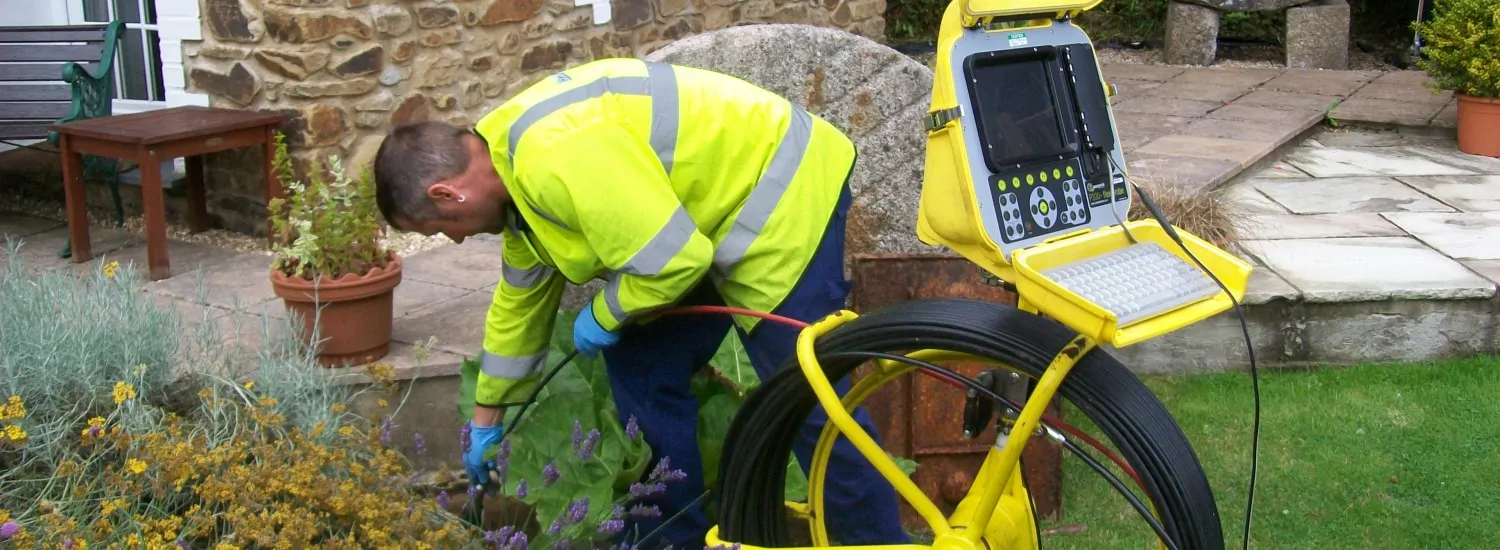
Specialist drainage companies in Fareham use advanced tools to diagnose root ingress with accuracy. A CCTV drain survey is the most reliable method, involving a small camera inserted into the drainage system to visually inspect pipes from the inside. This allows the detection of root growth, cracks, and blockages without unnecessary digging.
In Hampshire, where properties may have complex drainage layouts or older systems, a thorough survey helps tailor the right repair approach. Surveyors can pinpoint exactly where roots have entered and assess the extent of damage, allowing homeowners to understand their situation and plan repairs accordingly.
This non-invasive technique also helps identify other potential issues like collapsed pipes or fat build-ups, ensuring all factors affecting your drainage are considered before work begins.
Repair Options: From Root Cutting to Drain Relining
Once root ingress is confirmed, there are several repair options available depending on the severity and location of the damage. The simplest method is root cutting or root removal, where specialist machinery like high-pressure water jets or mechanical cutters clear roots blocking the pipes. This offers immediate relief but is usually not a permanent fix if pipe defects remain.
For more extensive damage, especially in older Fareham homes or properties in Hill Head and Wickham where pipe collapse is a risk, relining is an effective solution. This technique involves inserting a flexible resin-coated liner inside the existing pipe to create a new, seamless surface. It restores structural integrity without excavation and prevents roots from re-entering.
In cases where pipes are too damaged, traditional excavation and replacement might be necessary. This is more disruptive and costly but can be essential for long-lasting repairs, especially in properties with significant root invasion near large trees common in Titchfield and Sarisbury Green gardens.
Preventing Tree Root Problems in Fareham Gardens
Prevention is often better than cure when it comes to tree roots and drains. Homeowners in Fareham and nearby towns can take steps to minimise the risk by ensuring that large trees and hedges are planted a safe distance from drainage pipes. Consulting local gardening guidelines or a professional before planting is advisable to avoid future issues.
Regular maintenance and inspections of your drainage system can catch early signs of root ingress before serious damage occurs. Clearing outdoor drains, gutters, and soakaways helps maintain free flow of water and reduces attraction for roots.
In Hampshire’s climate, seasonal changes can affect root growth patterns, so scheduling a drain survey every few years or after drought periods is a wise precaution. Early intervention helps preserve your drainage infrastructure and protects your property investment.
Local Considerations: Drainage and Tree Roots in Fareham and Surrounding Areas
The soil composition around Fareham and neighbouring towns like Park Gate and Sarisbury Green can influence how roots grow and affect drainage pipes. Clay soils common in parts of Hampshire tend to retain water, encouraging roots to extend in search of moisture elsewhere, sometimes into your drains. Sandy soil areas drain more freely but can shift, causing pipe joints to loosen and allow root entry.
Properties close to natural green spaces or large established trees, such as those near Hill Head or Portchester, face higher risks of root invasion simply due to proximity. Urban development in Fareham has led to older drainage systems being under more stress, highlighting the need for regular checks.
When arranging inspections or repairs, choosing a local professional familiar with these conditions ensures the right approach and materials are used, tailored to the specific challenges found in Hampshire homes.
Need a drainage expert in Fareham?
Call 01329 600422